How to Easily Make a Room Feel Warmer
Making a cold room feel warm is essential, as few things are more frustrating than a room that never feels comfortable in winter. So the question is, “How do I make a room feel warmer” even when the heating is on? Certain spaces, such as spare bedrooms, home offices, and dining rooms, can often feel persistently chilly.
The good news is that making a cold room feel warm isn’t always about turning up the thermostat. In many UK homes, a combination of better heat control, smarter insulation, and atmosphere adjustments can completely transform a space.
As an Amazon Associate, I will earn a small amount, with no extra cost to you, from any qualifying purchases.
Here’s how to approach it properly.
1. Check the Heating Flow First
Before adding blankets or lamps, make sure the heat reaches the room efficiently.
Ask:
Is the radiator fully heating (no cold spots)?
Is furniture blocking airflow?
Are curtains covering the radiator?
Is the thermostat located far from the room?
Smart heating systems can help regulate uneven temperatures more precisely. If you’re exploring options, our guide to Luxury Smart Heating explains how stable control improves room comfort.
But heating alone rarely solves the issue.
2. To Make a Room feel Warmer, will need a little detection first
Cold rooms are often draughty rooms. So, the best place to start is composing a check list.
To begin, start checking for:
Window seal gaps
Door frame air leaks
Chimneys not properly sealed
Gaps in floorboards (common in older UK homes)
Even subtle airflow can make a room feel noticeably colder.
3. Add Floor Insulation Layers
Bare floors radiate cold.
Solutions:
Thick rugs
Layered carpets
Underlay pads
Door draft excluders
This not only reduces heat loss but immediately changes how the room feels underfoot.
4. Adjust Lighting Temperature
Lighting dramatically influences warmth perception.
Replace cool white bulbs with:
Warm white (2700K–3000K)
Low-level lamps instead of overhead lighting
Soft corner lighting
A room with warm lighting feels several degrees warmer psychologically.
5. Use Texture to Contain Heat
Here are a few examples to help make a cold room feel warmer:
Wool throws

Fabric wall hangings

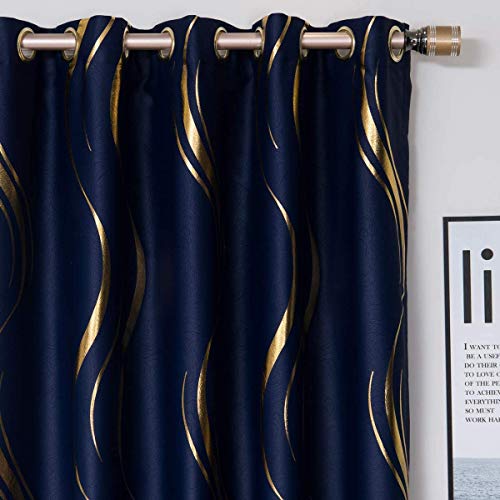
Heavy curtains
6. Consider Zoned Heating
If one room is consistently colder than others, zoning can help.
Smart thermostats and radiator controls allow:
Different heating schedules
Focused warmth in active rooms
Reduced reliance on full-house heating
If you’re unsure whether upgrading control is worthwhile, see Is a Smart Thermostat Worth It in the UK?
7. Create a Warm Core
Sometimes the simplest solution is behavioural.
Instead of heating an entire room uniformly:
Create a defined seating area
Add layered textiles
Position lamps around seating
Use enclosed furniture arrangements
This builds a “warm core” within the room, making it feel cosy without excessive heating.
Final Thoughts on How to make a Room feel Warmer
A cold room rarely has a single cause.
It’s usually a combination of:
Heat distribution
Air movement
Lighting tone
Soft furnishing absence
Addressing these together creates the biggest transformation. Comfort isn’t just about temperature — it’s about atmosphere, stability, and heat retention working in harmony.
Read this next post: why-does-using-a-smart-thermostat-feel-warmer
 Please follow us